AI Music Copyright Explained (2026 Guide)
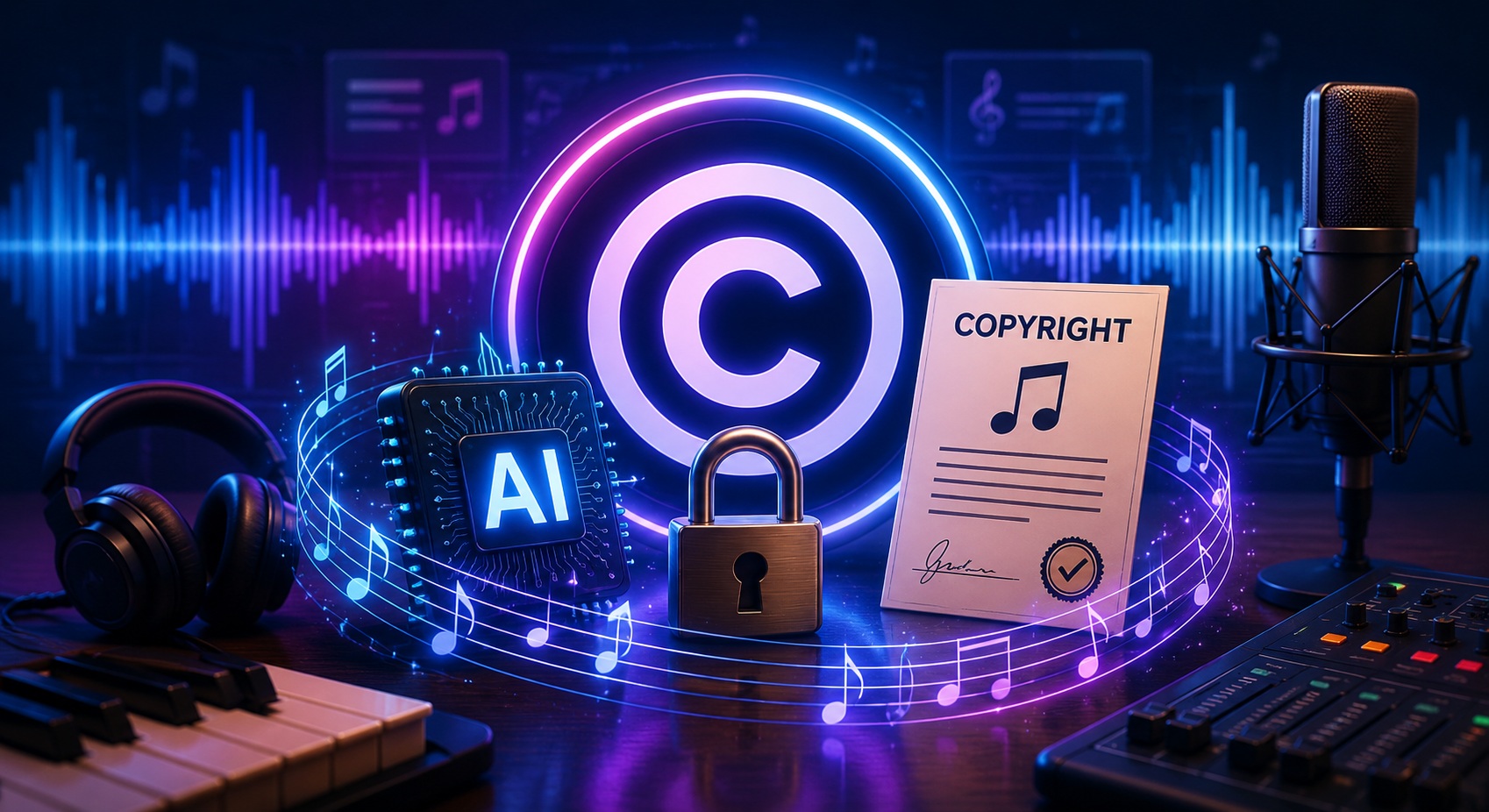
Who really owns AI-generated music? 🎵⚖️
🧠 Introduction
AI-generated music is becoming mainstream, but one of the biggest questions creators still have is:
Who owns the music, and is it safe to use commercially?
In this guide, we’ll break down how copyright works in AI music, what different platforms allow, and what you need to watch out for before using AI-generated songs in videos, streaming, or commercial projects.
📜 What Is Copyright in Simple Terms?
Copyright is a legal right that gives the creator of a piece of music control over how it is used.
Traditionally, this means:
- The composer owns the melody
- The lyricist owns the lyrics
- The performer owns the recording
AI music changes this structure because the “creator” is often a mix of user input + machine generation.
🤖 Who Owns AI-Generated Music?
This depends on the platform you use.
🧑💻 User-generated ownership
The short answer is: legally, no one “owns” it in the traditional sense, but you can get the right to use it.
The US Copyright Office and many global courts have firmly ruled that pure AI-generated content cannot be copyrighted by a human. Because writing a text prompt doesn’t count as human authorship, 100% AI-generated tracks technically fall into the public domain.
Therefore, true “ownership” comes down strictly to a contract—the Terms of Service of the platform you use. Here is how they break it down:
🧑💻 User-Granted Usage Rights
In most AI music tools, if you write the prompt and generate the song, you are granted usage rights.
However:
- You may not automatically get full copyright ownership
- You usually receive a licence to use the track rather than full legal authorship
- Rights can differ depending on subscription level
🏢 Platform-controlled rights
Some platforms may:
- Retain partial rights
- Restrict commercial use on free plans
- Require paid plans for full usage rights
💰 Can You Monetise AI Music?
In many cases, yes — but with conditions.
You can often use AI-generated music for:
- YouTube videos
- Social media content
- Podcasts
- Background music in projects
However, restrictions may apply for:
- Spotify / Apple Music distribution
- Selling AI music commercially
- Reselling AI tracks as fully original compositions
🧪 Do AI Music Tools Train on Copyrighted Music?
This is where things get more complex.
Some AI systems are trained on large datasets that may include:
- Licensed music
- Public domain audio
- Mixed or unclear datasets depending on the provider
However, reputable platforms aim to:
- Avoid direct copying
- Generate original compositions based on learned patterns
⚠️ Risks You Should Be Aware Of
Even though AI music is generally safe to use, there are still risks:
🎵 Similarity issues
AI-generated tracks may unintentionally resemble existing songs.
🔄 Platform rule changes
Licensing terms can change over time depending on company policies.
⚖️ Commercial uncertainty
Some platforms are still refining what “ownership” legally means.
🛡️ Best Practices for Using AI Music Safely
To stay protected:
- Always read platform licensing terms
- Use paid plans for commercial use
- Avoid claiming AI music as fully human-composed
- Keep records of generated outputs
🎧 Examples from Popular AI Music Tools
Different platforms handle copyright differently:
🎵 Suno
Offers full commercial usage rights for generated music, but only if you are on a paid subscription plan (Pro or Premier) at the time the song was created.
👉 Read the full breakdown in our Suno AI Review.
🎹 Tunee
Stands out as a conversational, chatbot-style AI music agent rather than forcing you to learn complex prompts. Even better, it offers a generous free tier with 150 daily credits that includes full commercial rights out of the box—giving creators a massive legal and financial advantage over standard tools.
👉 Check out Tunee AI Review for more details.
🔗 Related Guides
These supporting articles help build a deeper understanding:
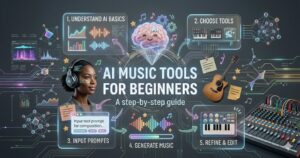
- AI Music for Beginners → how AI music works
- Best AI Music Tools 2026 → full platform comparison
- Tunee Vs Suno Comparison → direct decision guide
🧠 Final Thoughts
AI music copyright is still evolving, but the general rule is:
You usually have the right to use what you create, but ownership and commercial rights depend on the platform.
As AI music becomes more advanced, licensing rules will likely become clearer and more standardised.
For now, always double-check the terms before using AI-generated music commercially.