🎧 Tunee AI Music Update 2026
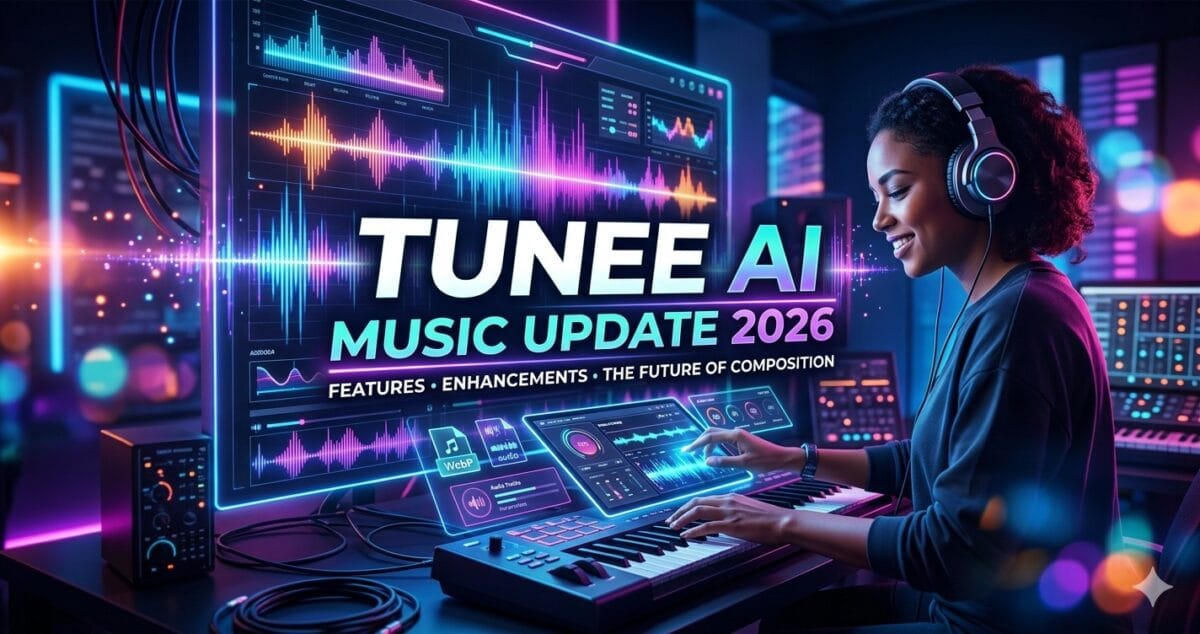
Tunee Ai Music Update 2026
Tunee AI has continued to evolve in 2026, shifting from a simple AI music generator into a more advanced AI music creation ecosystem. Recent updates and community discussions suggest a strong move toward multi-agent workflows, original content generation, and AI-powered music video production.
If you want to explore the platform while reading, you can try Tunee AI here 👉 Try Tunee AI music generator
Shift Toward AI Music Agent Workflows
One of the most notable developments in 2026 is Tunee’s transition into an AI music agent system, where users interact with multiple creative layers rather than just single text prompts.
The platform now focuses on:
- Multi-model music generation systems
- Conversational AI music workflows
- Automated arrangement and structure assistance
- Integrated creative production tools
This reflects a wider industry trend where AI music tools are becoming full creative assistants rather than simple generators.
⚠️ Removal of Copyright-Risk Features
Recent platform updates and community feedback indicate that Tunee has removed or restricted features considered legally sensitive, including:
- AI-generated covers of existing songs
- Vocal overlay and voice imitation tools
These changes align with increasing global pressure on AI music platforms to operate within stricter copyright frameworks.
🎬 Expansion into AI Music Video Creation
Alongside audio generation, Tunee has expanded into AI music video (MV) production, allowing users to create visuals alongside their tracks.
This positions Tunee closer to an all-in-one creative suite, combining:
- Music generation
- Visual storytelling
- Automated production workflows
If you want to experience these new features in action, you can explore Tunee AI here 👉 Create music with Tunee AI
📊 Community Feedback and Ongoing Changes
While Tunee continues to evolve quickly, user feedback in 2026 highlights a mix of improvements and growing pains.
Common observations include:
- Improved flexibility through multi-model systems
- Feature changes following copyright adjustments
- Ongoing refinements in output consistency
- Rapid development cycle with frequent updates
As with many AI tools in this space, performance and features are still actively evolving.
🧠 Industry Context: Where Tunee Fits in 2026
Tunee’s direction reflects a broader shift in the AI music industry toward:
- Copyright-safe generation models
- Agent-based creative systems
- Integrated audio + video production platforms
Rather than being just a music generator, Tunee is positioning itself as a full creative production assistant.
🎯 Final Summary
In 2026, Tunee AI is no longer just a basic AI music generator. It is evolving into a multi-agent music creation platform focused on original content, structured workflows, and AI-generated music videos.
However, like many fast-moving AI tools, it is still undergoing rapid changes that affect stability, features, and user experience.
If you want to try it yourself, you can explore Tunee AI here 👉 Start creating with Tunee AI
🚀 Conclusion
Tunee AI represents the next phase of AI music creation — moving from simple prompt-based generation into structured, multi-layered creative systems. For creators looking to experiment with AI-generated music and visuals, it remains one of the more interesting platforms to watch in 2026.
Check Out –> Tunee Ai Review Here